The first bomb fell at dusk on a humid night in 1977, a scream of
fire that split the Senanga sky and drove four boys – strangers then – into the
shadowed belly of a sishete, maize
granary. Akeende, the reckless dreamer, had tripped over the sishete’s low wall in his panic.
Inambao, quiet and watchful, pulled him inside. Nawa, wiry and suspicious even
at ten, hissed at them to hush. And Muyambango, bold and grinning despite the
chaos, shoved the door shut just as the earth shuddered. Outside, apartheid South
African Air Force rained hell on the Zambian district, hunting the South West
African People's Organization (SWAPO), a black independence movement from
Namibia, which had established a base there. This was the context of what
occasionally turned their village into a battlefield.
In those fleeting childhood days, their laughter rang sharp and
defiant through the acacia trees, drowning out the distant rumble of the US
made Bell P-69 Kingcobra warplanes. The world seemed vast, ripe for adventure
even when the raids burned their homes and scattered their families. The brotherhood
was formed through a thread of innocence in a tapestry of war.
20 years later, on a somber day in 1997, the air in Mazabuka hung
heavy with the choking smell of molasses and the sting of unshed tears. Akeende
clutched a worn photograph as Muyambango’s coffin sank into the red earth, the
preacher’s words lost to the hum of flies. Inambao stood rigid, eyes tracing
the crowd, while Nawa kicked at the dirt, muttering something about wasted
years. The four had once been inseparable, leaving Senanga’s ashes to chase
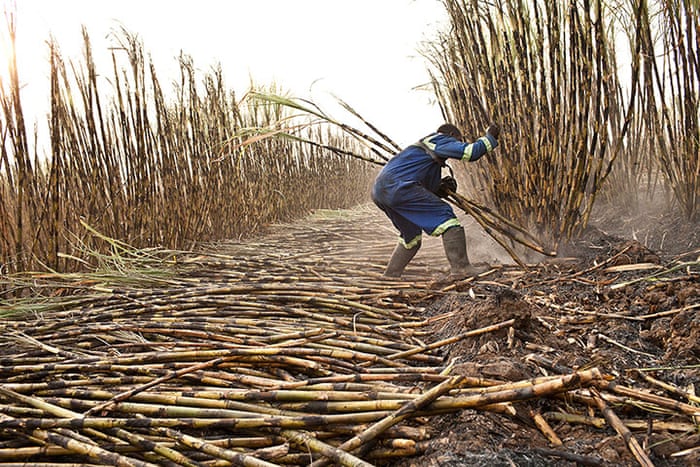
dreams at the Nakambala Sugar Plantation as sugarcane cutters – a brutal job but
steady ticket to something better. Muyambango had had been the de facto leader
in the group, his charm and calm lighting the way.
But now he was gone in some unclear circumstances. As the coffin
vanished beneath the soil, a swarm of bees flew overhead, an omen that was
difficulty to ignore. The funeral ended in silence. At Muyambango’s shack, the
three rummaged through his meager belongings: a machete, a cracked radio, and,
tucked in a sock, his entire savings. “We need to take these things back to the
villages,” Inambao murmured, guilt shadowing his voice. Nawa snorted. “Is there
any other choice?” Akeende said nothing, his own personal problems gnawing at
him.
They parted ways under a bruised sky, each carrying a piece of their lost brother. A grim reminder of the fragility of life, the importance of dreams, and the enduring bond of friendship. Would they continue on their current paths, or would life, in its unpredictable way, throw them another curveball? They knew that, despite their best intentions, the road ahead was uncertain, and only time would reveal what lay in store for them. Fortunes and misfortunes are two side of the same coin, conjoined by both fate and design. Man’s entire existence is determined by the side of the coin showing at every flip that is made usually by ourselves or circumstances.
Of
Muyambango
Muyambango was known for his relentless spirit and boundless
heart. Raised among the green fields and under the vast Zambian sky, he learned
the rhythms of the earth from his family's farm. His youth was marked by a
fierce determination to transcend the limitations that rural life has
determined on those it superintend over. After failing to finish secondary
school, he married and started securing a better future for his young family.
In 1992, he left behind his wife, Pemba, and their two children to seek employment
at the Nakambala Sugar Plantation in Mazabuka, a place renowned for its
opportunity but also its harshness. His goal was simple yet ambitious: save
enough to start a business back in Senanga, perhaps a small shop or trading
post to serve the community and set up his family's future.
Life in Mazabuka was a stark contrast to Senanga. He first shared a
modest room at the now married Nawa’s place before moving to his house in Apollo. Their evenings were filled with
laughter and dreams, each man sharing his vision of what could be. Muyambango,
ever the dreamer, spoke of the day his children would attend school in new
cloths, not just the shared ones passed down older family members. He worked
from dawn till dusk, saving every kwacha with meticulous care. Whenever the men
would gather to discuss strategies for their futures, his plan was the most
concrete.
After working and saving for 5 years, the day approached when he
was supposed to return home. He was one of high spirits. His savings, kept
hidden and safe, were to fund his dream. He had planned a small celebration
with his friends before his departure, a toast to new beginnings. But as the
night fell, and the sounds of celebration faded into the quiet, Muyambango
stepped out to go and rest since he had a long journey in the early hours of
the following day.
When the friends came back from the drinking hole, they didn’t
find Muyamabgo and concluded that he had decided to spend whatever had remained
of the night in the bus as he couldn’t wait to go back home.
In the morning, there was a great commotion. Like any inquisitive
person, the 3 separately decided to rush and check what was causing the dust to
rise. Then they reached where a crowd had gathered. There he was. The lifeless
body of Muyambango. His ever present waist bag, gone.
The news of Muyambango's death traveled fast, hitting Senanga like a storm. Pemba received the devastating news in the morning light, her world collapsing into grief. The community rallied around her, but the void left was palpable. His friends in Mazabuka were consumed with guilt and anger, wondering if they could have prevented this tragedy had they been more vigilant. As the investigation into the theft and murder began, a tense atmosphere enveloped both communities. Each day brought new rumors, new fears; was it someone from within the plantation? An outsider with knowledge of Muyambango's savings? The suspense built as the community awaited justice, their faith in safety shaken.
Akeende was a beacon of hope for his family. Alongside his friends, he harbored grand aspirations, dreaming of a
life beyond the sandy roads and simple homesteads. Their shared vision was to
escape the confines of rural poverty for the promise of the Nakambala Sugar
Plantation in Mazabuka, where they could earn enough to transform their lives.
With his sharp mind and strong arms, he envisioned building a small trading post, a place where he could be his own master, bringing
prosperity to his family. He stepped into Mazabuka with eyes wide with
ambition, his savings pouch as empty as his heart was full of big dreams.
The initial years at the plantation were marked by Akeende's
discipline; he saved every kwacha, shared stories of his future business with
his friends, and worked with relentless energy.
But Mazabuka had its own temptations which led him to adopt a
personal motto of ha ufumile hahulu likomu unoca kwateni (When you are rich in
cattle, eat some).
He was socially stigmatized and had a damaged reputation due to
the fact that he never settled on single woman. The local bars, with their
music and laughter, pulled at him like a siren song. He found himself drawn
into a world of indulgence, his nights spent in the company of new friends and
lovers, his savings trickling away like water through his fingers. His friends
noticed the change, their warnings falling on deaf ears as he reveled in his
newfound lifestyle.
The turning point came when he missed too many workdays,
especially whenever he got paid as he would disappear until the money ends. The
plantation manager was unforgiving and fired him. The news hit him like a
physical blow, the reality of his situation clear as daylight. His savings were
none existent as he spent every Kwacha on fleeting pleasures, and with his job,
his last anchor to a stable life was severed. Now jobless and penniless, he
moved from one cheap lodging to another, his life a series of temporary
shelters. The friends who had once shared dreams now watched in sorrow as his
life unraveled, his charm the only thing left from his former self.
As years turned like pages of a book, the suspense built around
what would become of him had he been disciplined. Would he find redemption, or would
his life end in obscurity? His friends kept in touch, their visits to him
becoming less frequent as they built their lives, but each time they left, they
left with a piece of their heart, hoping for a change. His life became a
cautionary tale whispered in the community and among the workers at the
plantation. Every now and then, stories would surface of his charm still
winning over new friends in Ghana area, only for them to leave once the novelty wore off.
Of Nawa
Since childhood, Nawa’s heart sought adventure, his mind alive
with the vastness of life’s possibilities beyond Senanga. What did it all mean,
this restless pull? When the chance came to work at the Nakambala Sugar
Plantation in Mazabuka, he embraced it, not just as a job but as a journey into
life’s unfolding riddle. Mazabuka thrummed with new voices, languages, and
rhythms – a tapestry of human striving. Nawa wove himself in, his laughter
ringing out, his eyes tracing patterns in the chaos. Were friendships the
soul’s mirror, he wondered, or fleeting echoes of shared time?
He turned to Tonga, learning from coworkers until he sang it like
his native Lozi. Language, he mused, was it a bridge to others’ truths or a
shadow of one’s own? His ease with it rooted him in Mazabuka more than a sugarcane
cutter, he became a seeker among seekers. Then came Mutinta, her spirit a quiet
fire like his. Their love bloomed swiftly, tied by tribal threads he saw as
both chance and design. She was not only his wife but also his tribal cousin,
now a people who are not strictly blood-related but are close family within a
broader kinship system. In Njomona area, they built a life which was punctuated
by seasonal farming.
When a drought struck in 1991/2 farming season, his farm faded
under a merciless sun. Where others cursed fate, Nawa philosophized – did
hardship reveal life’s essence or merely its indifference? Mutinta stood firm;
he met her resolve with quiet questions, tracing cycles of growth and loss.
When friends drifted after Muyambango’s death 5 years later, and
he wondered if bonds were eternal or bound to time’s wheel. He blended Senanga’s
wisdom with local ways, guiding the community through dust and doubt. Clouds
gathered; he led prayers and dances, seeing in them not just hope but a dance
with the unknown. Rain fell, faint but real. His farm held, a fragile harmony,
and Nawa stood apart, reflecting: Was this victory a gift of purpose, or a
fleeting note in life’s endless song?
Of Inambao
Inambao was a name synonymous with ambition. From a young age, he
stood out with his disciplined approach to life, always mapping out his future
with the precision of a cartographer. His dream was simple yet profound: to
lift his family out of the cycle of subsistence farming by creating a
sustainable business. When the opportunity to work at the Nakambala Sugar
Plantation in Mazabuka presented itself, Inambao saw it as the first step
towards his dream. In Mazabuka, Inambao wasn't just another worker; he was a
force, driven by his vision. His days were long, but his spirit was unyielded,
earning him respect among peers and superiors alike. Every kwacha saved was
another brick in his dream house in Senanga, a plot he had bought with his
first significant savings.
Years rolled by, with Inambao's savings growing like the businesses he planned to start back home as he remembered the saying, komu hai imelwi ki manaka ayona (a person cannot fail to take care of his own). His plans were meticulous; every penny was accounted for, each detail of his future farm considered. The day arrived when he had saved enough to return to Senanga. His return was no longer just about starting a business; it was about survival. The suspense was palpable as he made his way back, his mind racing with plans, wondering if his savings would be enough to start anew under these dire circumstances.