The Zambian Water, Sanitation,
and Hygiene (WASH) sector is a fundamental component of sustainable
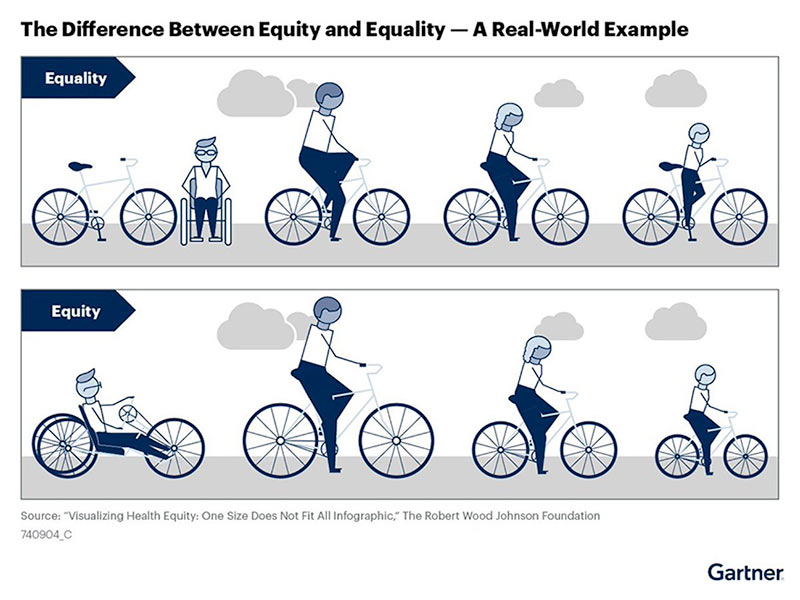
development, public health, and poverty reduction efforts. Equity and equality
within this sector are critical for ensuring that all Zambians have access to clean
water, adequate sanitation facilities, and hygiene education regardless of
their socioeconomic status, location, or other demographics. While these terms may
sound similar, the implementation of one versus the other can lead to
dramatically different outcomes for marginalized people.
Equity in the Zambian WASH sector
pertains to fairness and justice in the distribution of resources and services.
It recognizes that different communities and individuals have varying needs and
capacities and aims to address disparities by prioritizing those who are
marginalized or disadvantaged. Equity is frequently linked with inclusion.
Inclusion means the process of including these marginalized and unserved
communities within, and not separate from, society. For WASH, it means considering
their needs at all stages of WASH programmes, from planning to evaluation.
Equity and inclusion are important cross-cutting issues in WASH because these
groups of people have frequently been neglected in the past.
Older people and others who need support
rails to hold onto, people with poor sight, and disabled children are just a
few of these groups with very specific needs. It is important that stakeholders
with responsibility for planning and implementation recognise these varying
needs and ensure that individual groups are not overlooked.
In contrast, equality focuses on
ensuring that everyone, irrespective of their background, has equal access to
WASH services and opportunities. The disproportionate responsibility women and
girls bear as primary users, providers, and managers of water, sanitation, and
hygiene (WASH) at the household level is yet to be matched by a commensurate
representation in WASH-related decision-making. While women’s participation in
water governance and the promotion of safe sanitation has long been encouraged,
this engagement has not always translated into better services for themselves,
and decisions on “big water” issues—such as large-scale infrastructure
investments, water allocations, or water trading—remain largely gender-blind.
Key issues affecting equity in
the Zambian WASH sector is the uneven distribution of resources and services
between urban and rural areas. Urban centers generally receive more attention
and investment, resulting in better infrastructure and higher access rates
compared to rural communities. This disparity exacerbates existing inequalities
and perpetuates the cycle of poverty and disease in rural areas.
Furthermore, within rural
communities, certain groups such as women, children, persons with disabilities,
and the elderly often face additional barriers to accessing WASH services.
Gender norms and cultural practices may limit women's participation in
decision-making processes related to water and sanitation, thereby hindering
their ability to advocate for their needs and preferences.
Though the Zambian government, in
collaboration with various stakeholders and international partners, has made
significant strides in improving access to clean water and sanitation
facilities across the country, challenges persist, particularly in rural and
peri-urban areas where infrastructure is often lacking, and poverty rates are high.
In addressing these challenges,
it is essential to adopt a holistic approach that prioritizes equity and
equality in WASH programming and policy formulation. This entails:
1. Community
Participation and Empowerment: Engaging communities, especially marginalized
groups, in the design, implementation, and monitoring of WASH interventions
empowers them to take ownership of the initiatives and ensures that their
voices are heard. By actively involving communities in decision-making
processes, empowering marginalized groups, promoting knowledge sharing and
capacity building, fostering sustainability, and advocating for their rights,
communities can contribute to the development of inclusive and sustainable WASH
systems that benefit all individuals and communities equally.
2. Targeted
Interventions: Tailoring interventions to address the specific needs and
priorities of different communities, considering factors such as geography,
culture, and socioeconomic status, can help bridge the equity gap and promote
inclusivity. In 2023, the Zambian president issued a directive stating that
only waterborne sanitation facilities and piped water schemes should be built
in public institutions like schools, health facilities and markets in the
country. While this directive is a positive step forward, it's essential that
it's supported by efforts to enhance the entire WASH value chains. Without such
support, the directive may not be sustainable or beneficial to end users. Gender
equality and social inclusion (GESI) should also be mainstreamed in WASH
programmes to contribute to both more sustainable WASH services as well as to
gender equality and women’s empowerment as a stand-alone goal.
3. Climate
Smart Investment and Funding: Increasing investment in rural infrastructure development, including the construction of boreholes, piped water systems, and improved sanitation facilities, is crucial for expanding access to WASH services in underserved areas. Ensuring equity in funding is not only the responsibility of the central government, but also the responsibility of various stakeholders and international partners. Addressing the gap in WASH funding is not only a moral imperative but also a matter of economic and social justice. The increased allocation of the Constituency Development Fund (CDF) offers a great opportunity to leverage on in increasing resources towards WASH especially in rural and peri-urban areas, including rural growth centres. Broadly, stakeholders must leverage domestic and international financing mechanisms including public-private partnerships, development aid, grants, concessional loans, and innovative financing instruments (e.g., water tariffs, user fees, revolving funds) to equity and equality WASH projects..
4. Social
and Behavior Change (SBC). These strategies are pivotal in enhancing equity and
equality within WASH endeavors in Zambia. These approaches tackle behavioral barriers,
foster inclusivity, and empower marginalized communities. By promoting hygiene
education and behavior change communication initiatives, awareness regarding
the significance of clean water, proper sanitation, and hygiene practices is
raised, resulting in improved health outcomes and a reduced disease burden. SBC
interventions are integral in championing equity and equality within WASH
initiatives in Zambia through addressing behavioral barriers, fostering
inclusivity, empowering communities, ensuring sustainability, and advocating
for policy changes prioritizing marginalized populations. By harnessing SBC
strategies, stakeholders can collaboratively work towards establishing a more
equitable and inclusive WASH system that benefits all individuals and
communities alike.
5. Policy
Reform: Advocating for policy reforms that prioritize equity and equality in
the allocation of WASH resources and the implementation of regulatory
frameworks strengthens the government's commitment to achieving universal access
to WASH services. By addressing resource allocation, legal frameworks,
decision-making processes, financial mechanisms, regulatory oversight, capacity
building, and monitoring and evaluation, reforms can help create an enabling
environment for the equitable and inclusive delivery of WASH services to all
Zambia.
In conclusion, achieving equity
and equality in the Zambian WASH sector demands collaborative efforts from the
government, civil society, and the private sector. By prioritizing the needs of
marginalized communities, promoting inclusive decision-making processes, and
investing in sustainable infrastructure and capacity-building initiatives,
Zambia can progress towards its 2023 goal of ensuring access to safe water,
sanitation, and hygiene for all its citizens. It's crucial to acknowledge that
achieving universal access to WASH services in Zambia entails addressing underlying
inequalities and barriers that hinder certain groups from accessing these vital
resources. Therefore, a combination of equality and equity approaches may be
necessary to effectively address the challenges in the Zambian WASH sector and
guarantee that all individuals and communities can exercise their right to
clean water and sanitation.